A lower price for a childhood vaccine can create room in an immunization budget for more children. An agreement announced October 22 offers that possibility for malaria prevention, while making clear that manufacturing and regulatory work must come first.
UNICEF says the deal, financially backed by Gavi and enabled by an advance payment through the International Finance Facility for Immunisation, would bring the RTS,S/AS01 malaria vaccine price to €5.50 per dose. The reduction is approximately 40 percent. Around US$50 million in savings is expected between 2027 and 2029, potentially supporting full vaccination for up to one million additional children or other childhood vaccines.
These are projected benefits, not children already reached through the new price. UNICEF expects the reduction by early 2027, subject to milestones that include WHO prequalification of a new manufacturing facility before procurement begins. Reuters also reported the agreement on October 22. The price is a procurement figure; it is not a quoted retail price for families.
The reason to pursue wider access is substantial. WHO’s malaria-vaccine guidance identifies children as particularly vulnerable and recommends vaccination against P. falciparum malaria in endemic areas, prioritizing places with moderate or high transmission. Its guidance describes a four-dose schedule starting around five months of age, with national programmes adapting delivery to local circumstances. Families should use their health service’s current schedule rather than infer eligibility from an international announcement.
Vaccination also belongs within a broader response. WHO recommends combining prevention, diagnosis and treatment strategies suited to local conditions. It reports evidence of reduced severe-malaria hospitalizations and lower mortality in the RTS,S introduction programme in Ghana, Kenya and Malawi. That evidence supports the vaccine’s role; it does not mean a dose offers complete protection or replaces other recommended measures.
The practical challenge is to turn affordability into reliable delivery. A cheaper dose helps only if programmes can procure it and children can receive the required visits. The new agreement addresses one part of that chain. Its eventual value should be judged by sustained access as well as the size of the announced saving.
Readers can follow UNICEF’s official announcement and Gavi’s malaria programme to understand how vaccine access is being expanded. Those wishing to give should use official support links and review the current terms: a general contribution is not automatically earmarked for this agreement or a particular child’s vaccine. Sharing verified vaccination information through trusted local health organizations is another useful step.
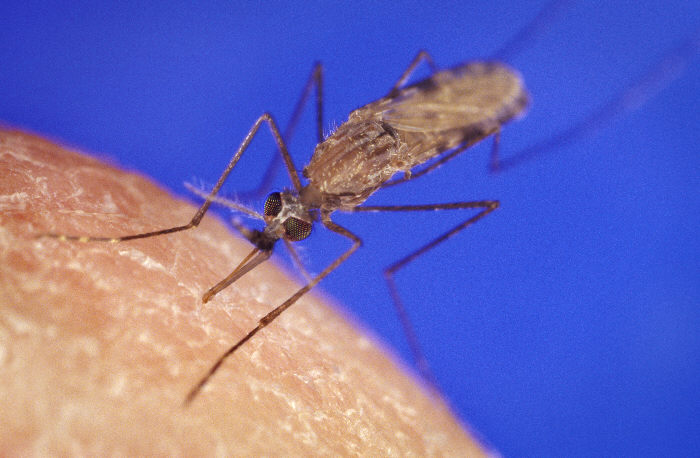
Featured photograph: an archival CDC image of an Anopheles gambiae mosquito, a malaria vector. It does not show vaccine delivery or a current outbreak. This article was prepared from the linked sources with AI assistance.
Ways to help
- Follow UNICEF’s verified announcement and official support options
- Read WHO’s malaria-vaccine guidance for informed community discussion
Sources
- UNICEF: malaria-vaccine pricing agreement, October 22, 2026
- WHO: malaria-vaccine recommendations and evidence, February 4, 2026
- Reuters via Yahoo: independent report of the agreement, October 22, 2026
Produced with AI assistance for Humanitarian Explorer. Sources and image credits are provided on this page.